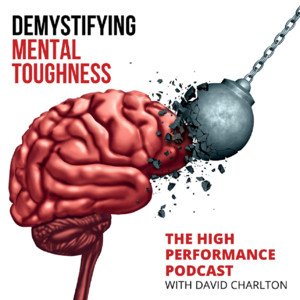
Demystifying Mental Toughness
Many executives suffer from what is often referred to as smiling depression — a state where a person appears confident, positive, and successful on the outside, but quietly struggles inside. For high-performing leaders, this façade becomes almost second nature. They show up to work with a polished image, speak with authority, and project strength, even when their reality may look very different. Behind the scenes, they often feel overwhelmed, exhausted, and emotionally disconnected. It’s not the real truth, and it’s certainly not their authentic self. Over time, maintaining this façade becomes incredibly tiring and painfully isolating.
Executives frequently avoid opening up about their emotional challenges. Some don’t want to worry their partner at home, believing that bringing stress into the household is unfair. Others worry that confiding in their boss or HR team might be perceived as weakness or inability to cope. These unspoken fears make it extremely difficult for leaders to initiate conversations about their mental well-being. As a result, they carry the weight alone — quietly battling emotions like anxiety, self-doubt, and burnout.
This silence is exactly why individual and peer support can be transformative. When executives speak with someone who understands the unique pressures of leadership — whether a coach, mentor, or peer — they often experience immediate relief. Simply having a safe and confidential space to unpack emotions allows leaders to release internal tension they’ve held for too long. Peer groups, in particular, offer a powerful sense of belonging and normalcy. Hearing “me too” from another executive can dismantle the belief that they must struggle alone.
Another major challenge arises when executives are highly committed, disciplined individuals but lack self-awareness. Many leaders push themselves relentlessly without recognising that their habits are slowly eroding their mental and physical health. This unchecked drive can lead to burnout, chronic stress, irritability, and dysfunctional decision-making — all of which eventually spill over into their personal and professional lives. Unhelpful habits, such as neglecting rest, skipping breaks, or suppressing emotions, start to creep in unnoticed.
This raises an important question: On a scale of 1–10, how important is self-care to you? And just as importantly: how often do you actually practice it?
If you’re an executive who feels the pressure to appear strong but is struggling beneath the surface, you don’t have to face it alone. Support is available — confidential, empathetic, and grounded in real leadership experience.
You are welcome to connect with Nick Jonsson.
Published: 2023-27-10
LISTEN ON: