Nick Jonsson: What IRONMAN Taught Me About Leadership, Recovery and Building a Limitless Life
IRONMAN has never been just about swimming, cycling and running for me.
It has been about rebuilding my life.
It has been about discipline when motivation was not there. It has been about recovery when my body and mind needed care. It has been about showing up on the days when nobody was watching and proving to myself that change is possible when we stop running from the truth and start moving towards the person we are capable of becoming.
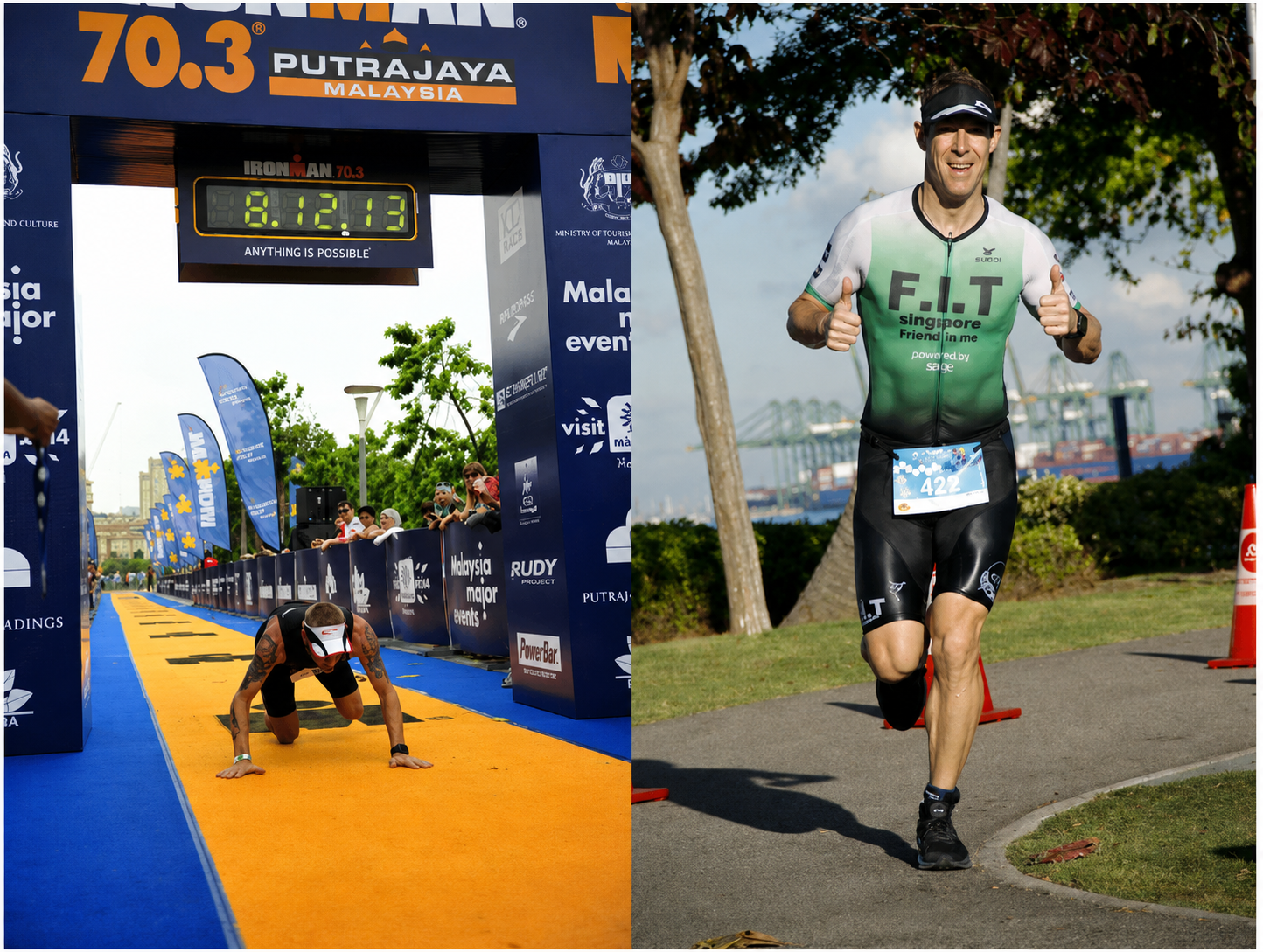
Since 2014, I have been competing as an endurance and triathlon athlete. Over the years, this journey has taken me through full-distance IRONMAN races, IRONMAN 70.3 events, World Championship qualifications, personal bests and the honour of being recognised as an IRONMAN All World Athlete.
But behind the race times, rankings and finish-line photos, there is a much deeper story.
IRONMAN became one of the ways I learned how to live again.
From Survival to Structure

There was a time in my life when everything looked successful from the outside, but inside I was struggling.
I had built a corporate career. I had the title, the responsibilities, the salary and the external signs of success. Yet behind the scenes, I was dealing with executive loneliness, stress, disconnection and unhealthy coping mechanisms.
Recovery forced me to rebuild my life from the inside out. That rebuilding did not happen through one dramatic moment. It happened slowly, through honesty, support, discipline, healthier routines and a willingness to become someone new.
IRONMAN became part of that transformation.
The structure of training gave me something healthy to focus on. The discipline gave me momentum. The early mornings, long swims, long rides, long runs and recovery sessions taught me that progress is rarely glamorous in the beginning. It is usually built quietly, one consistent action at a time.
Endurance sport became a mirror for life.
You cannot fake preparation.
You cannot shortcut recovery.
You cannot perform well if you ignore your body, your mind, your emotions or your support system.
That is true in IRONMAN, and it is also true in leadership.
Becoming an IRONMAN All World Athlete
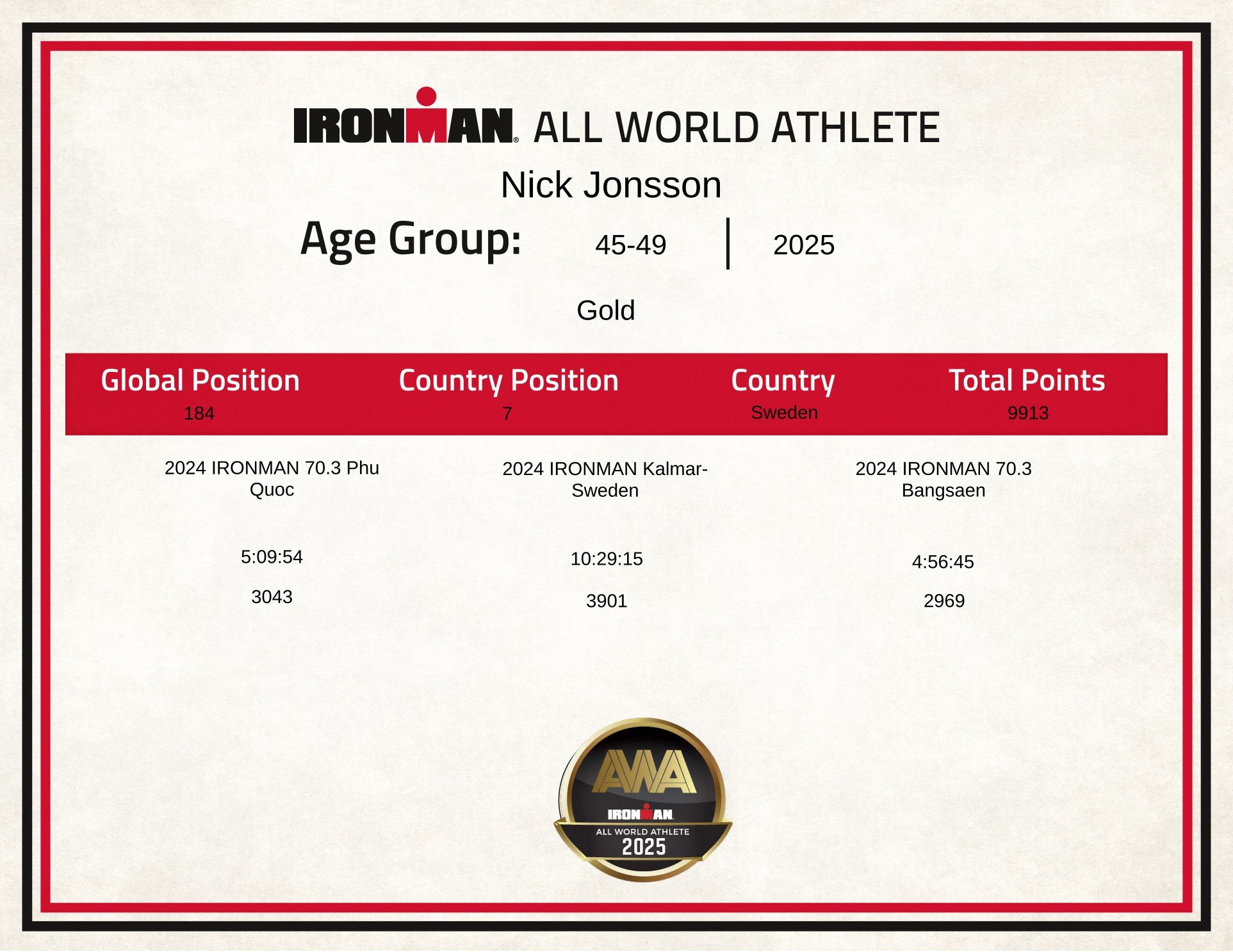
Over the years, I have been grateful to achieve several meaningful milestones in the sport.
I have achieved Elite Athlete Status as an IRONMAN All World Athlete in triathlon, competing across events that include a 3.8km swim, 180km bike and 42km run. My personal best for the full-distance triathlon is 10 hours and 29 minutes, and my personal best for the half-distance IRONMAN 70.3 is 4 hours and 56 minutes.
Some of the key milestones in my IRONMAN journey include:
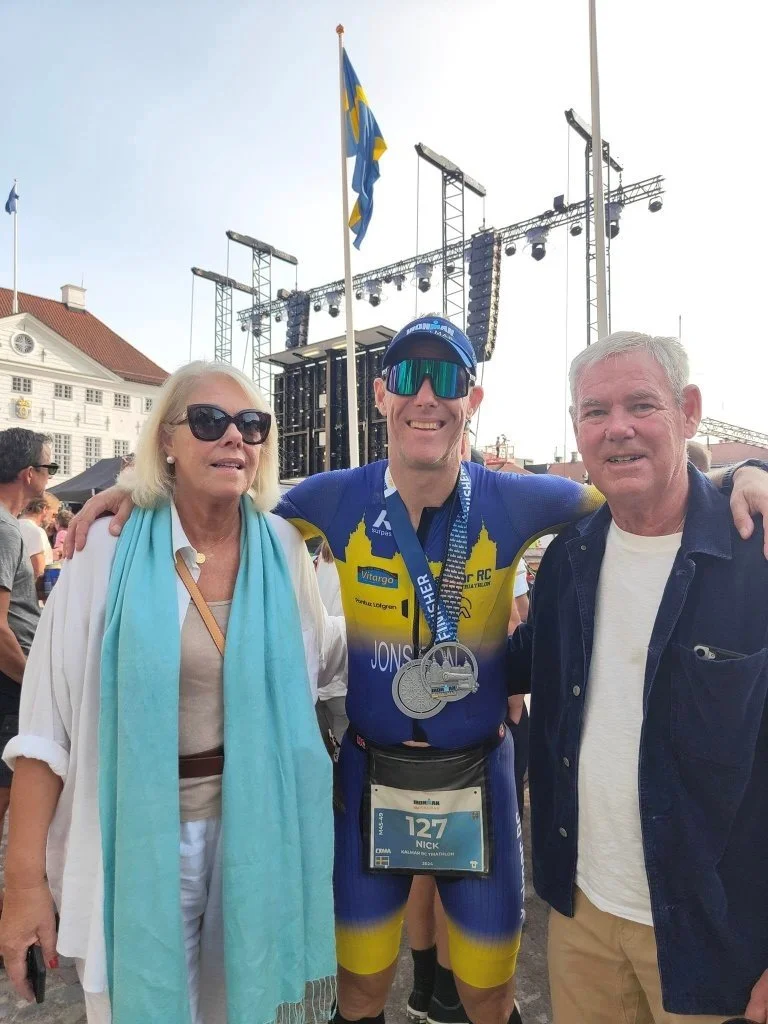
• 2026 completed IRONMAN Sweden with the fastest bike split of my life at 51 years old
• 2025 qualified for and completed the IRONMAN 70.3 World Championship in Spain
• 2024 qualified for and completed the IRONMAN 70.3 World Championship in New Zealand
• 2024 completed IRONMAN Kalmar, Sweden in 10 hours and 29 minutes
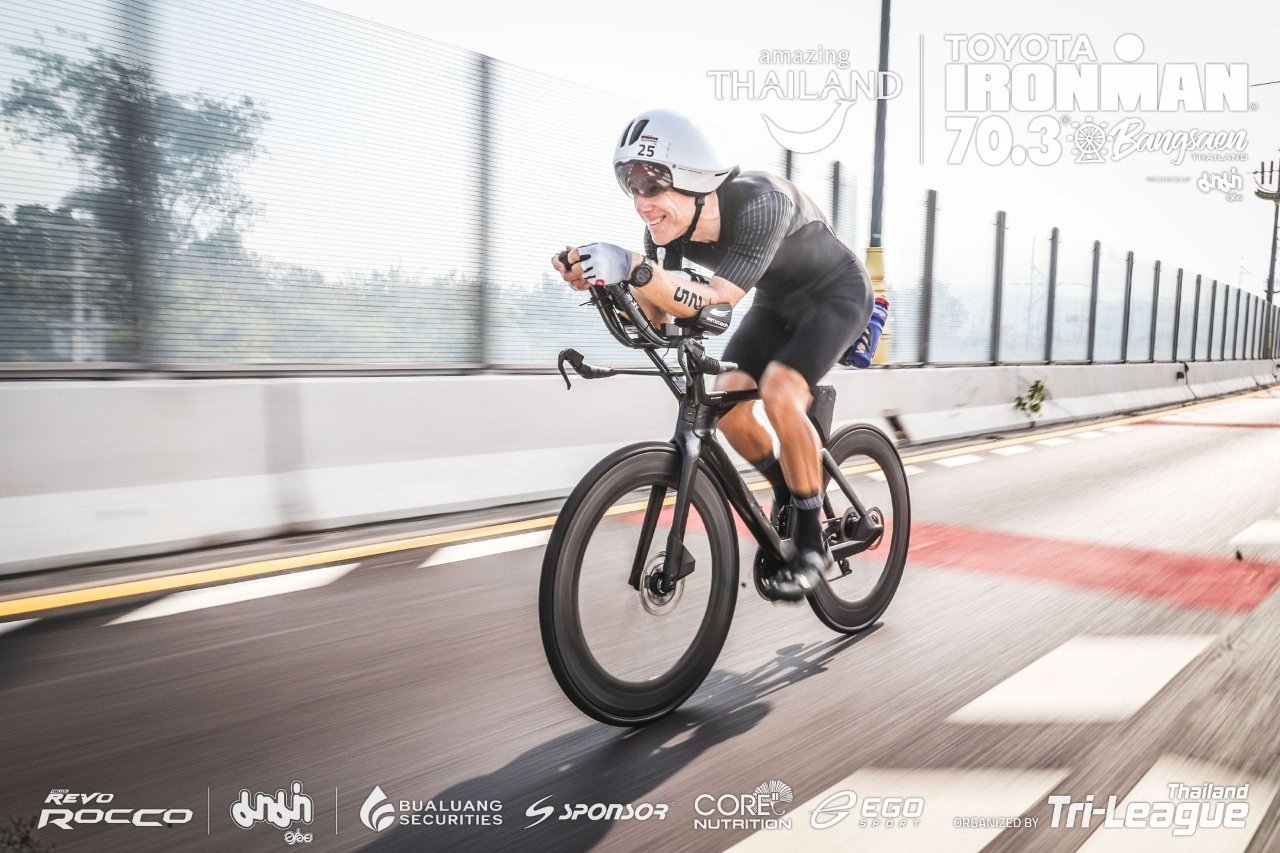
• 2024 completed IRONMAN 70.3 Bangsaen, Thailand in 4 hours and 56 minutes
• 2023 achieved IRONMAN Gold All World Athlete status, placing in the top 2% globally in my age group
• 2023 ranked number 4 in Sweden for my age group
• 2022 achieved IRONMAN Bronze All World Athlete status, placing in the top 17% globally in my age group
• 2022 ranked number 40 in Sweden for my age group
• 2021 achieved IRONMAN Gold All World Athlete status, placing in the top 1% globally in my age group
• Volunteered for IRONMAN youth races, supporting and inspiring young athletes to participate in the sport
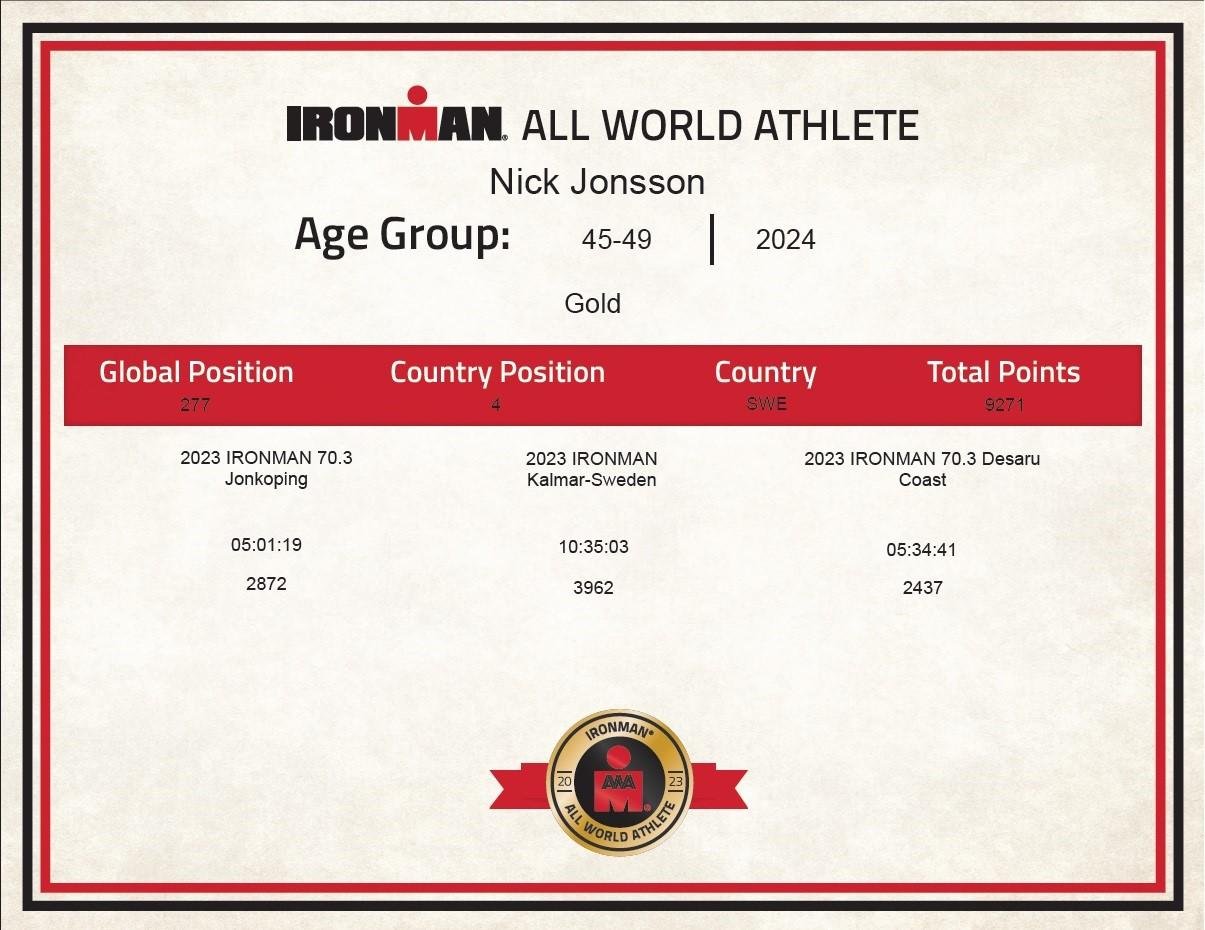
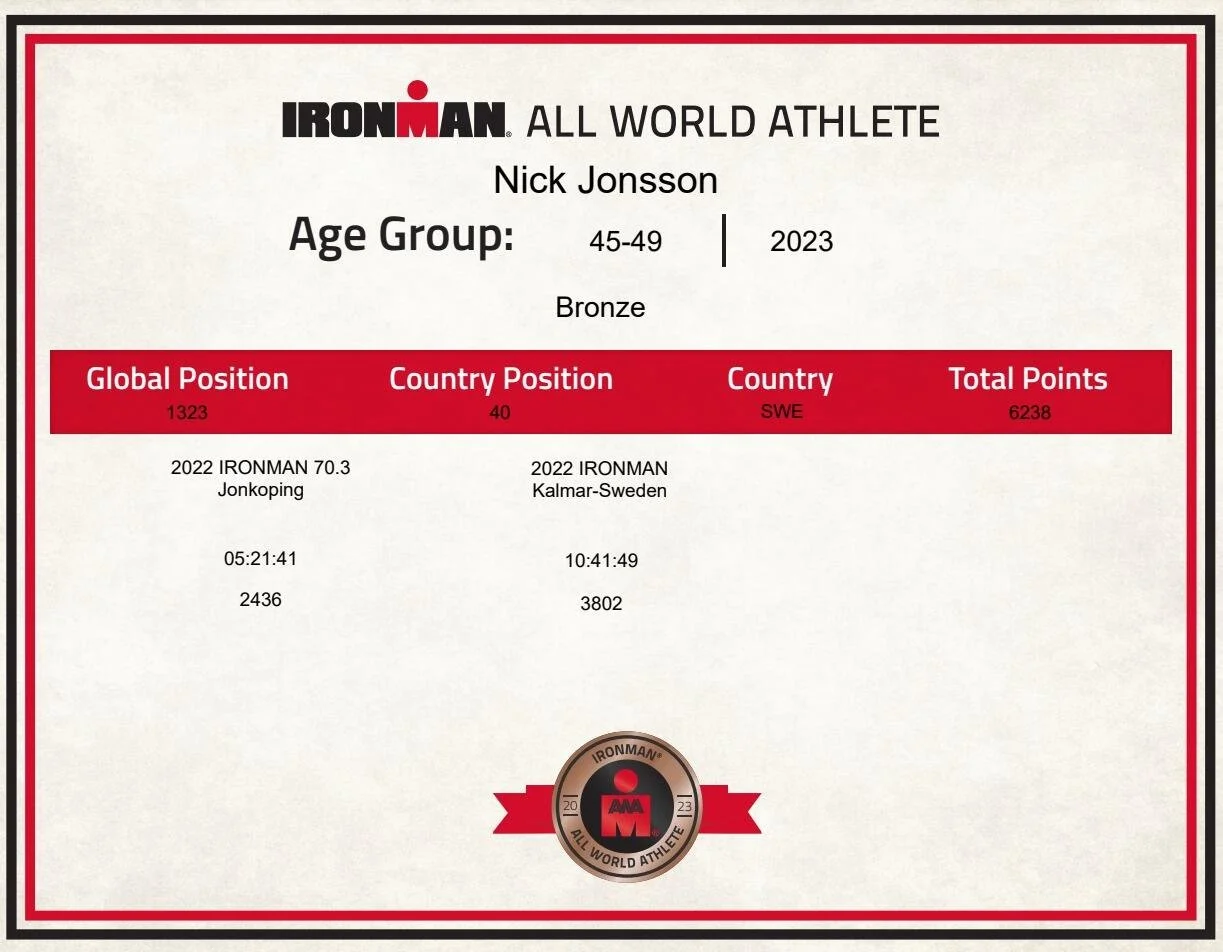
These achievements mean a lot to me, but not because they make the journey look impressive.
They matter because I know the story behind them.
I know the early mornings. I know the discomfort. I know the setbacks. I know the discipline it takes to keep going when nobody is watching. And I know what it means to cross a finish line not only as an athlete, but as a healthier, more grounded and more connected version of myself.
The 2026 Bike Split and the Power of Still Improving
Completing IRONMAN Sweden in 2026 with the fastest bike split of my life at 51 years old was a powerful reminder that growth does not stop when we reach a certain age.
Age does not have to mean decline.
Experience can become strength.
Discipline can become freedom.
The second half of life can become even more meaningful when it is built with intention.
This is one of the lessons I carry into my work with leaders. Many people quietly accept that their best years are behind them, whether in sport, business, relationships or personal growth. I do not believe that has to be true.
We can rebuild. We can improve. We can get healthier. We can become more disciplined. We can reconnect with our purpose. We can still surprise ourselves.
The Role of Coaching and Support
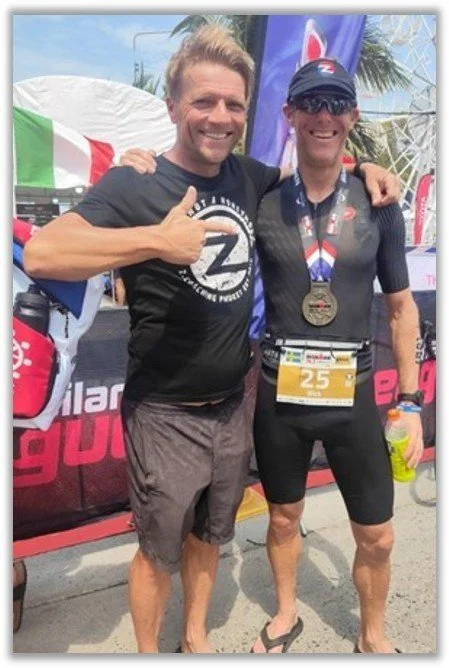
One of the biggest lessons from endurance sport is that high performance is rarely achieved alone.
I have been coached in endurance and triathlon by Jürgen Zäck of Z-Coaching Phuket. Having the right structure, guidance, feedback and accountability has made a significant difference in my journey.
This is also why I believe so strongly in coaching for leaders.
The best athletes have coaches. They have training plans. They measure progress. They recover intentionally. They surround themselves with people who help them improve.
Yet many executives and business leaders try to perform at an elite level while doing everything alone. They carry pressure privately. They ignore warning signs. They push through exhaustion. They expect themselves to keep producing results without the structure and support that elite performance requires.
That approach may work for a short time, but it is rarely sustainable.
High performance requires support.
Leadership requires support.
Life requires support.
Family, Meaning and the Life Beyond the Race
IRONMAN has also reminded me that achievement means very little if it disconnects us from the people who matter most.
There was a time in my life when success came at a cost. I was working hard, chasing goals and building a career, but I was not always present in the areas of life that mattered deeply. Recovery changed that. Fatherhood changed that. Rebuilding relationships changed that.
Today, sport is not a way to escape life. It is a way to live more fully.
Training gives me energy. Racing gives me purpose. Community gives me connection. Family gives the journey deeper meaning.
This is also why I speak so often about Holistic Leadership. We are not only professionals. We are whole human beings. We have bodies, emotions, relationships, families, hopes, fears, responsibilities and dreams.
If one part of life is neglected for too long, the whole system is affected.
Swimming, Cycling, Running and the Lessons Between Them
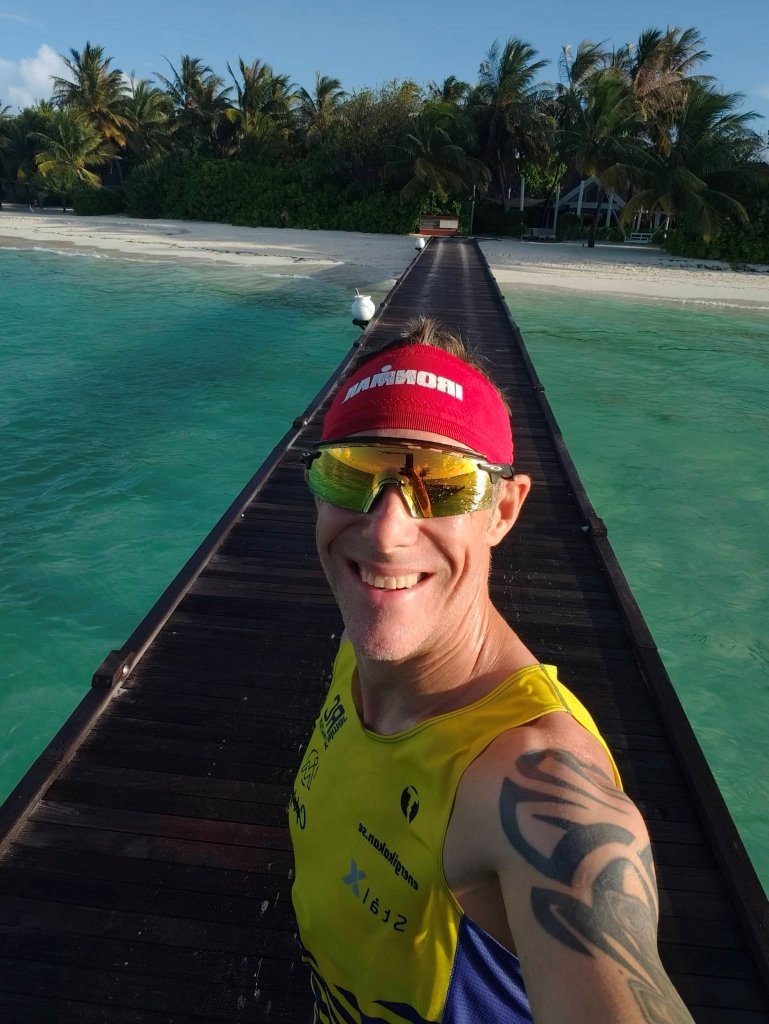
Swimming, cycling and running each teach something different.
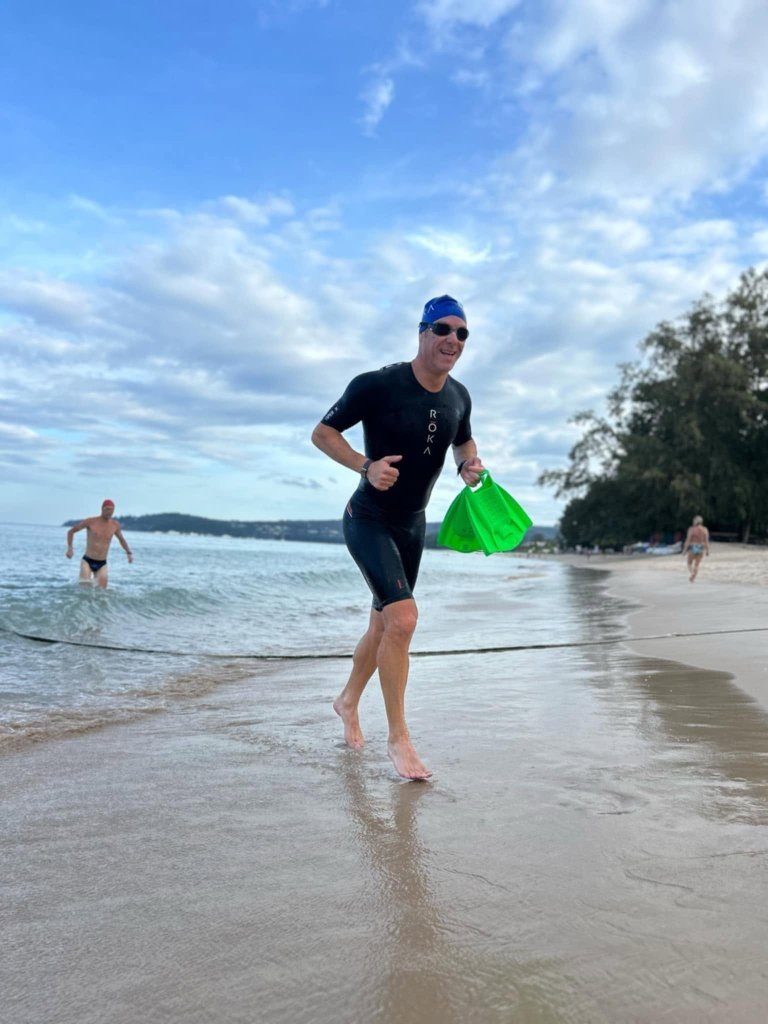
Swimming teaches calm under pressure. You cannot fight the water for long. You have to find rhythm, control your breathing and stay relaxed even when conditions are uncomfortable.
Cycling teaches patience and pacing. It rewards consistency, preparation and the ability to manage effort over a long period of time.
Running teaches honesty. By the time you reach the run in an IRONMAN, there is nowhere to hide. The body tells the truth. The mind tells the truth. Your preparation tells the truth.
Together, these disciplines have taught me that performance is not one thing. It is a system.
It is training, recovery, nutrition, mindset, accountability, purpose, relationships, sleep, discipline and emotional resilience working together.
The same is true in business.
What Business Leaders Can Learn from Endurance Athletes
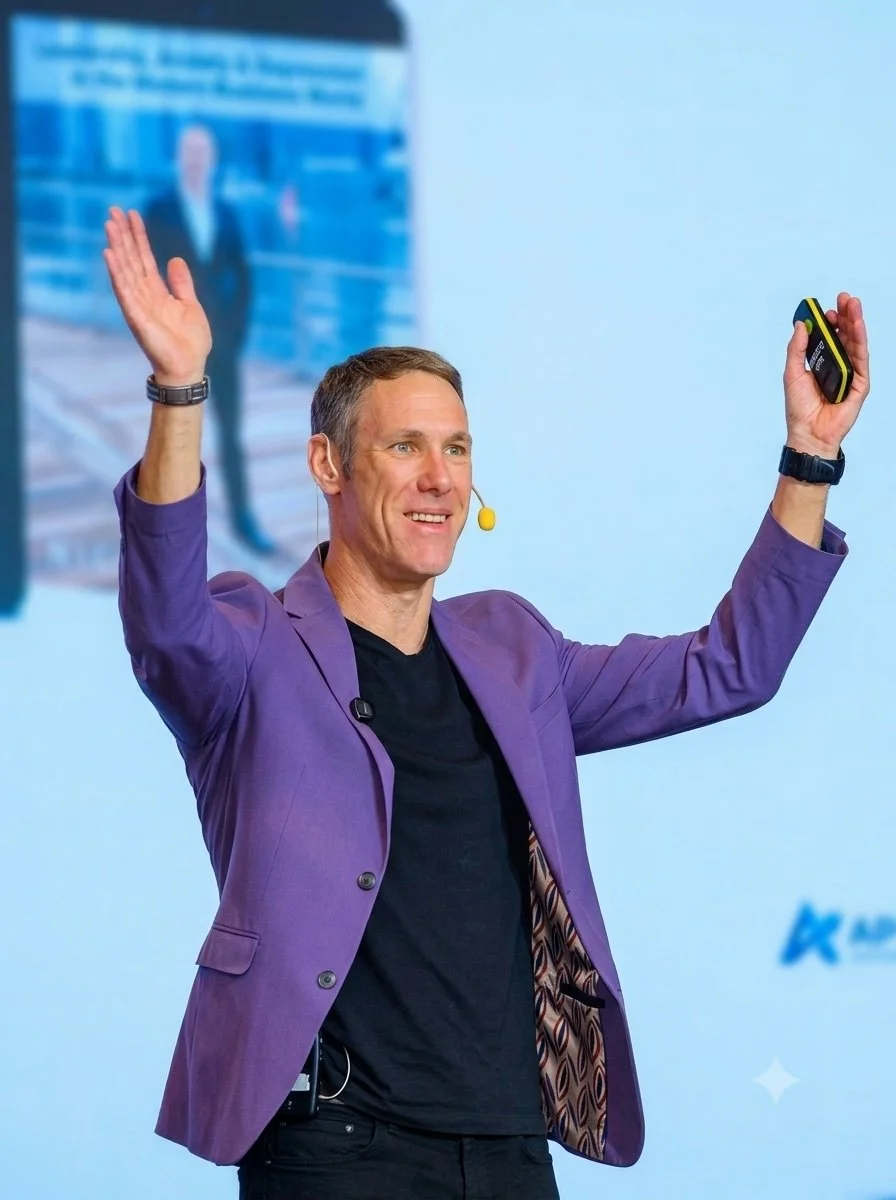
Business leaders and corporate teams can learn a great deal from endurance athletes.
Elite athletes do not wait until race day to prepare. They build systems long before performance is required. They train consistently. They recover deliberately. They study their weaknesses. They work with coaches. They measure progress. They understand that pressure is part of the game, but they do not rely on pressure alone to perform.
Many corporate professionals do the opposite.
They wait until the crisis arrives. They rely on adrenaline. They work late. They neglect sleep. They skip recovery. They ignore their bodies. They isolate themselves. They call it commitment, but often it is a path towards burnout.
The lesson from endurance sport is not that leaders should simply work harder. Most leaders are already working hard.
The lesson is that leaders must prepare better.
They must recover better.
They must build stronger habits.
They must create accountability.
They must protect their health.
They must understand that sustainable performance depends on the whole person, not just the professional role.
This is where endurance sport and leadership meet.
Discipline matters. Resilience matters. Consistency matters. Preparation matters. Recovery matters. But none of these things can be separated from purpose, connection and wellbeing.
The Corporate Ironman: Bringing Your A-Game to the Office
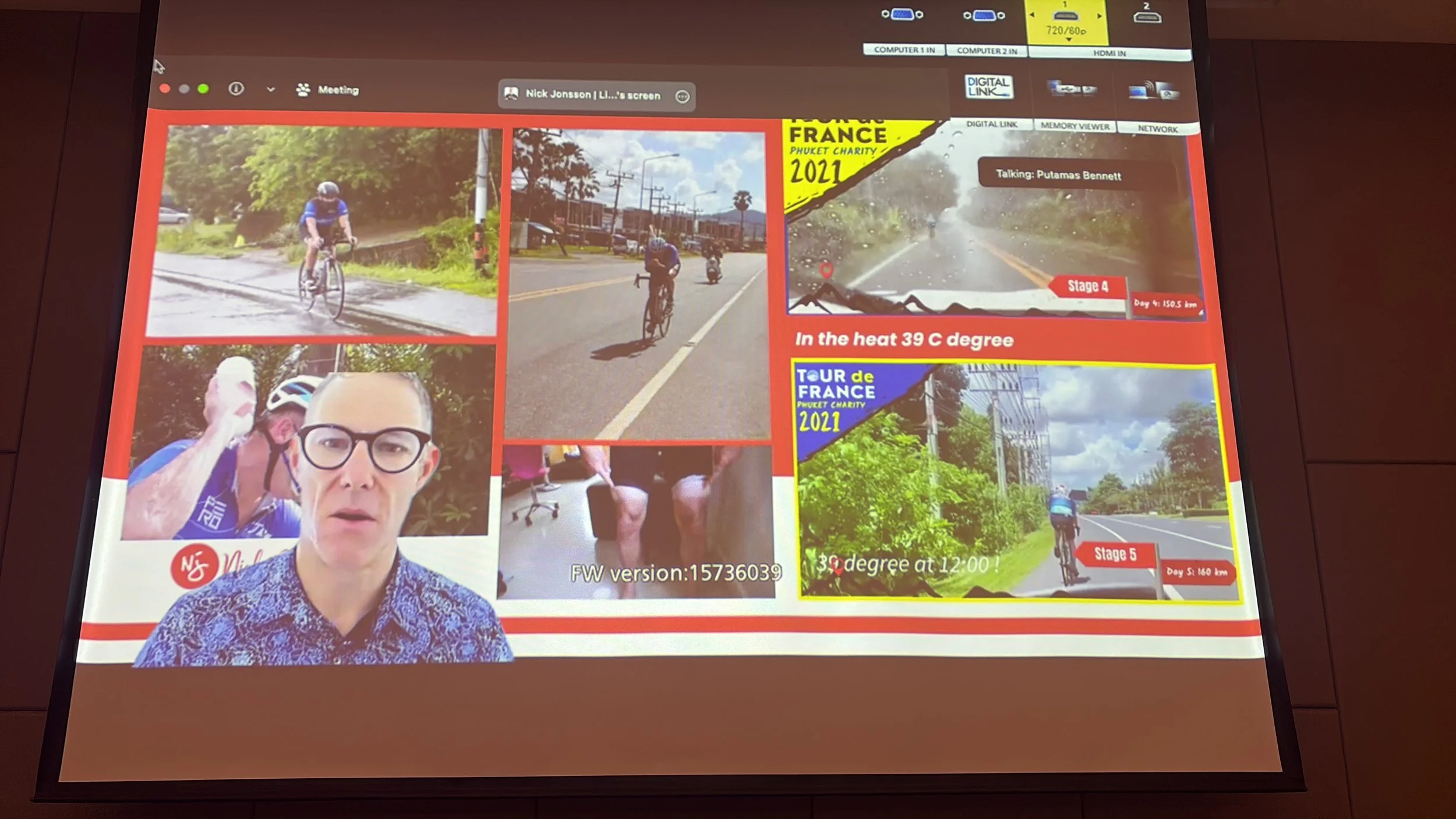
These are not only ideas I apply personally through IRONMAN. They are also principles I bring into my leadership workshops and corporate training.
In the “Bringing Your A-Game to the Office” workshop for the senior team at Western Digital, I shared insights into personal health, self-leadership and the importance of aligning physical, emotional and mental wellbeing with performance. The workshop explored stress management, competing priorities, productivity, boundaries and healthier routines, helping participants reflect on how to bring their best energy into both work and life.
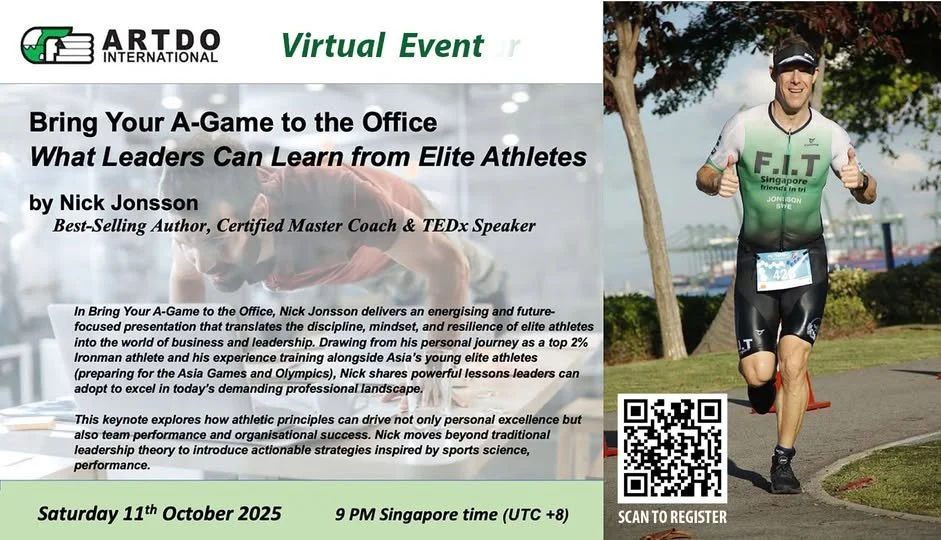
This message also became part of my “Bring Your A-Game to the Office: What Leaders Can Learn from Elite Athletes” keynote, where the focus was on endurance, consistency, recovery and how the discipline of elite athletes can be applied directly to leadership and business.
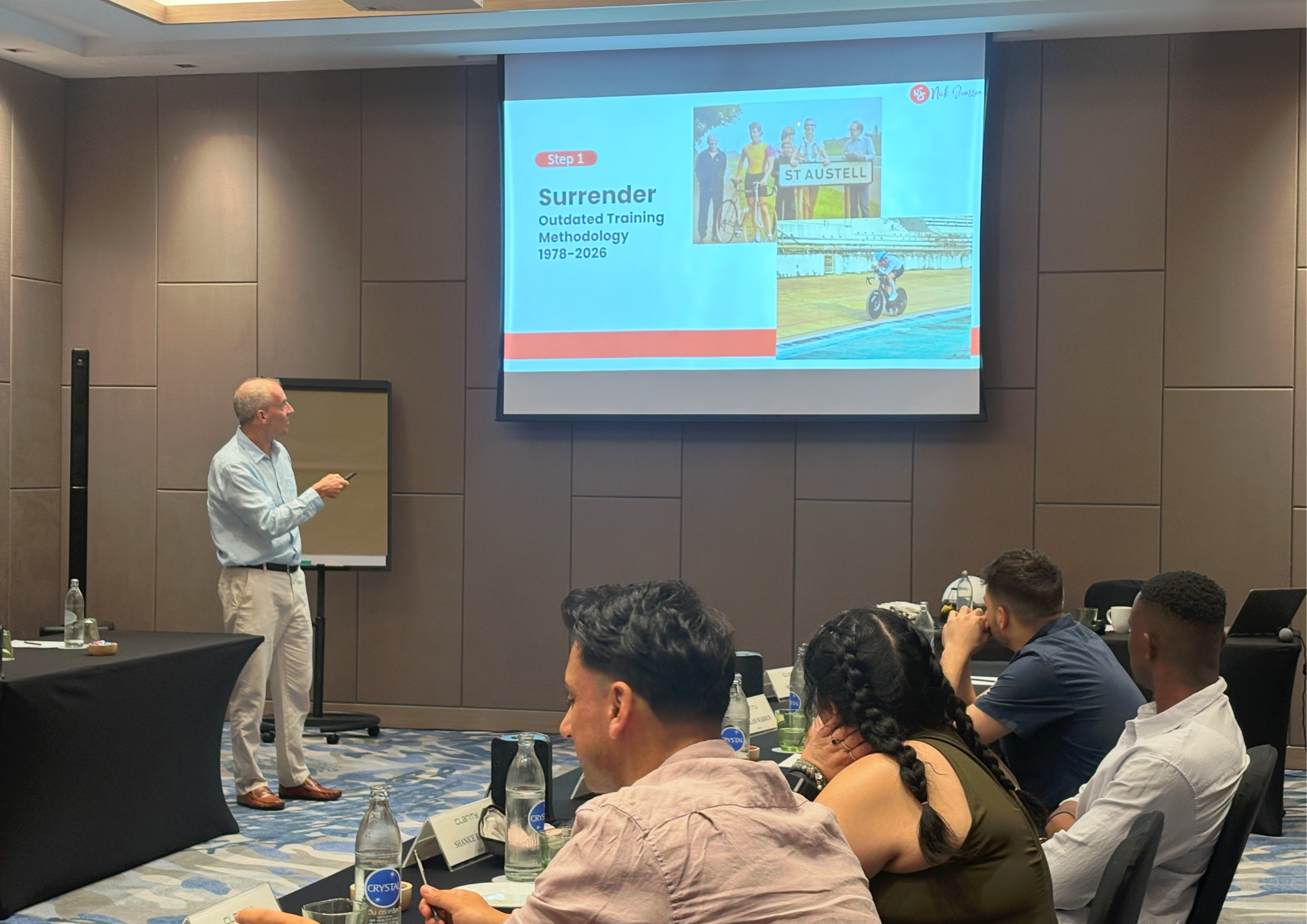
In Phuket, Thailand, I also facilitated a Holistic Leadership workshop with Professor John JJ Bennett at Phuket Marriott Resort & Spa, Merlin Beach. The session explored what business leaders can learn from elite athletes and how purpose, discipline, resilience, meaningful relationships and consistent habits support sustainable high performance.
The connecting message across all of these workshops is simple.
IRONMAN is not separate from my professional work. It is part of the lived experience behind it.
I do not only speak about discipline. I practise it.
I do not only speak about recovery. I depend on it.
I do not only speak about resilience. I have had to build it.
And I do not only speak about bringing your A-Game to the office. I believe leaders can only bring their best performance to work when they are also taking care of the human being behind the role.
Previous IRONMAN Races and the Long Road of Progress
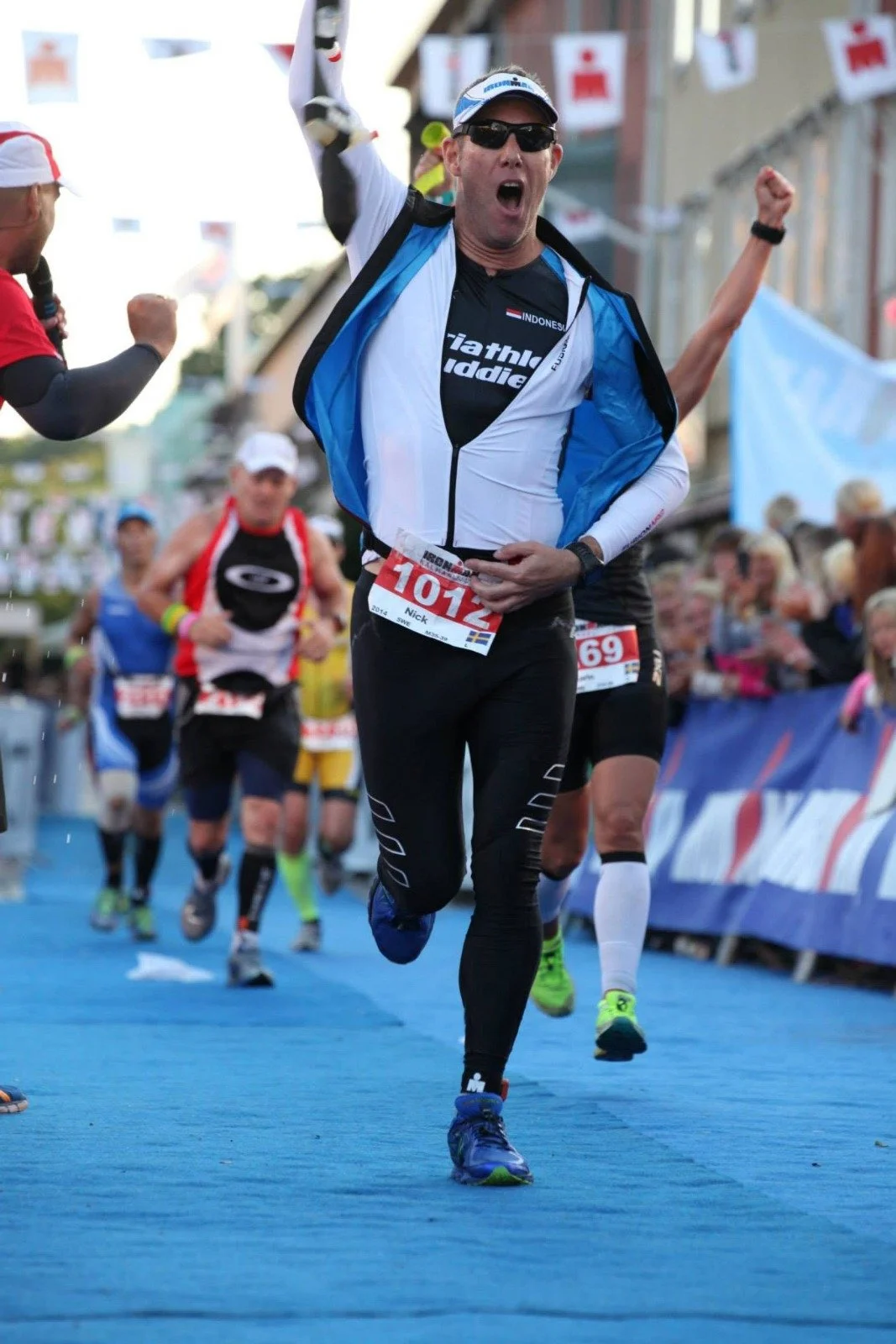
IRONMAN 2014
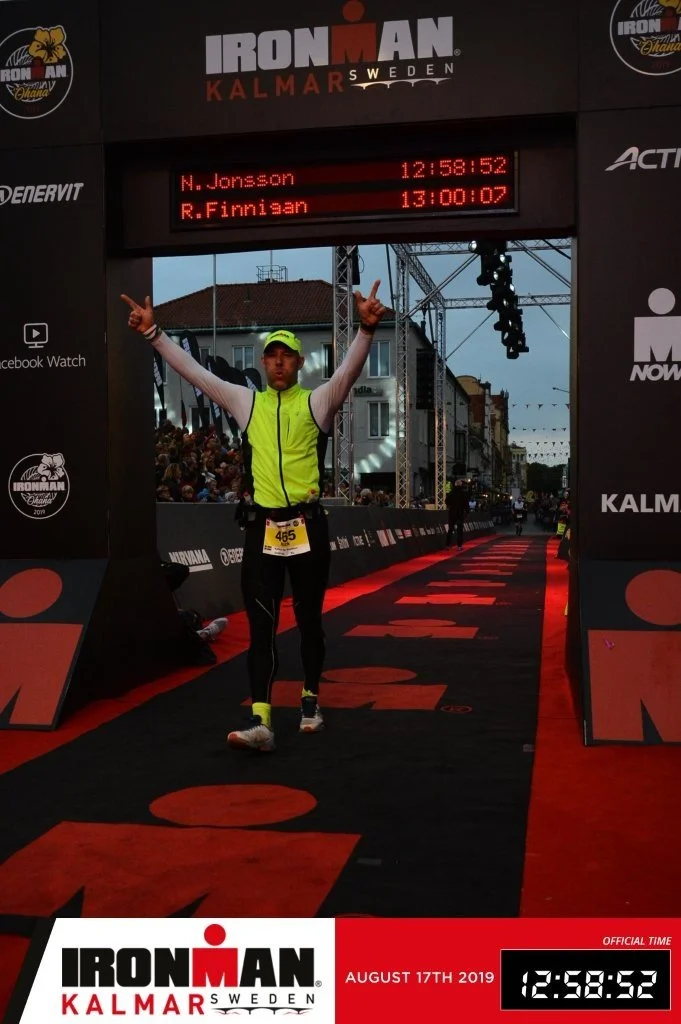
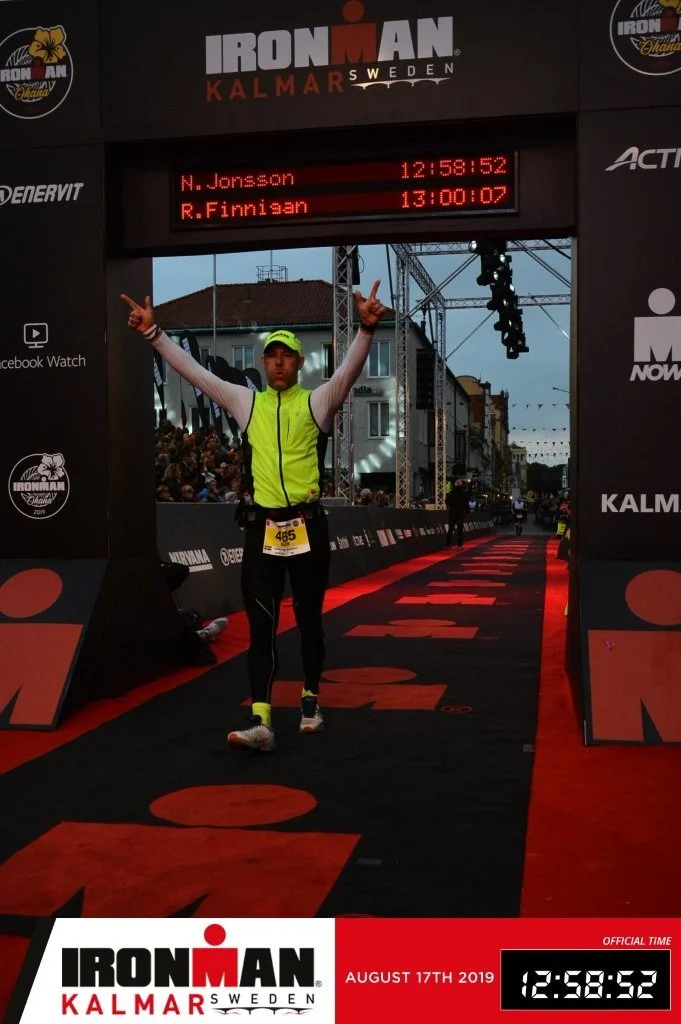
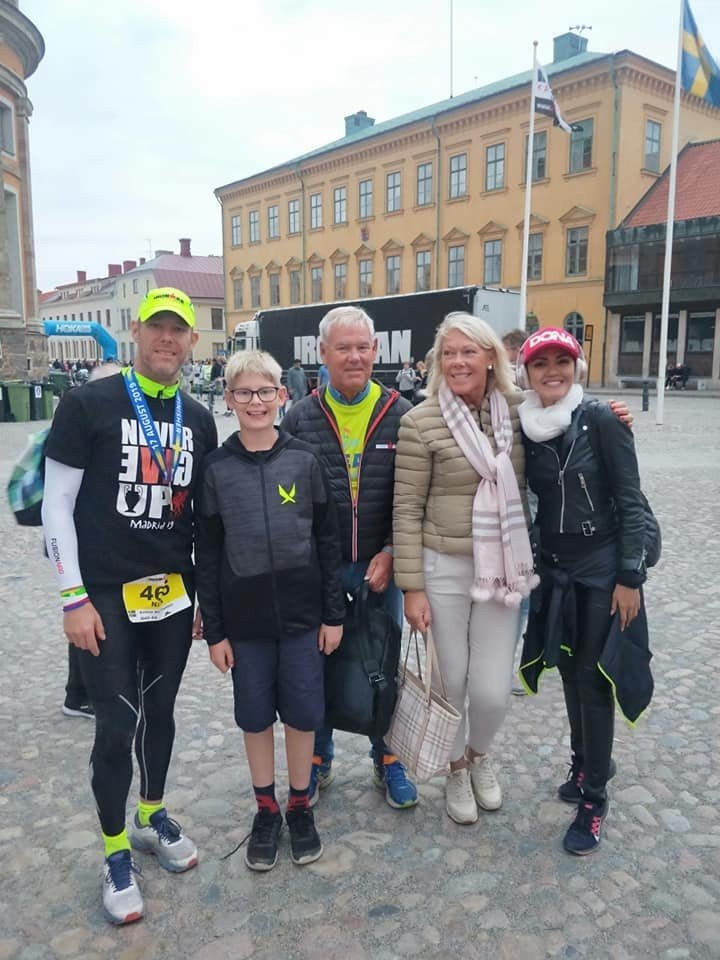
IRONMAN race photo from 2019
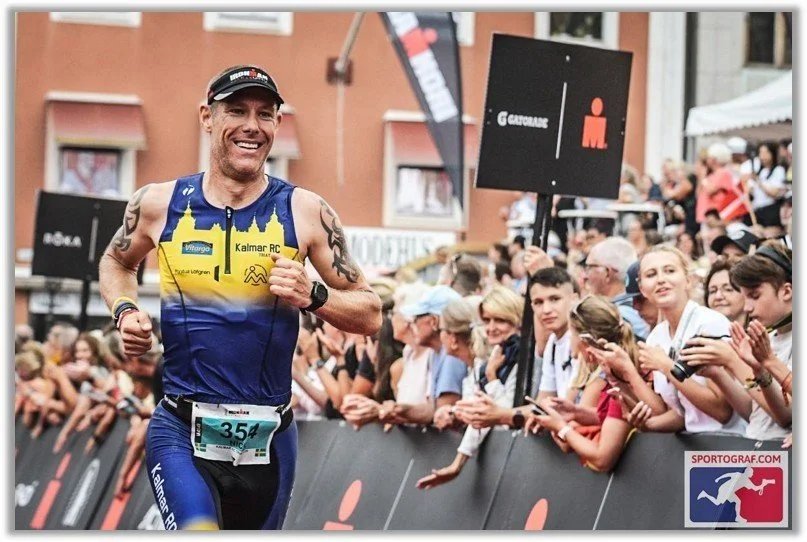
IRONMAN Kalmar 2022
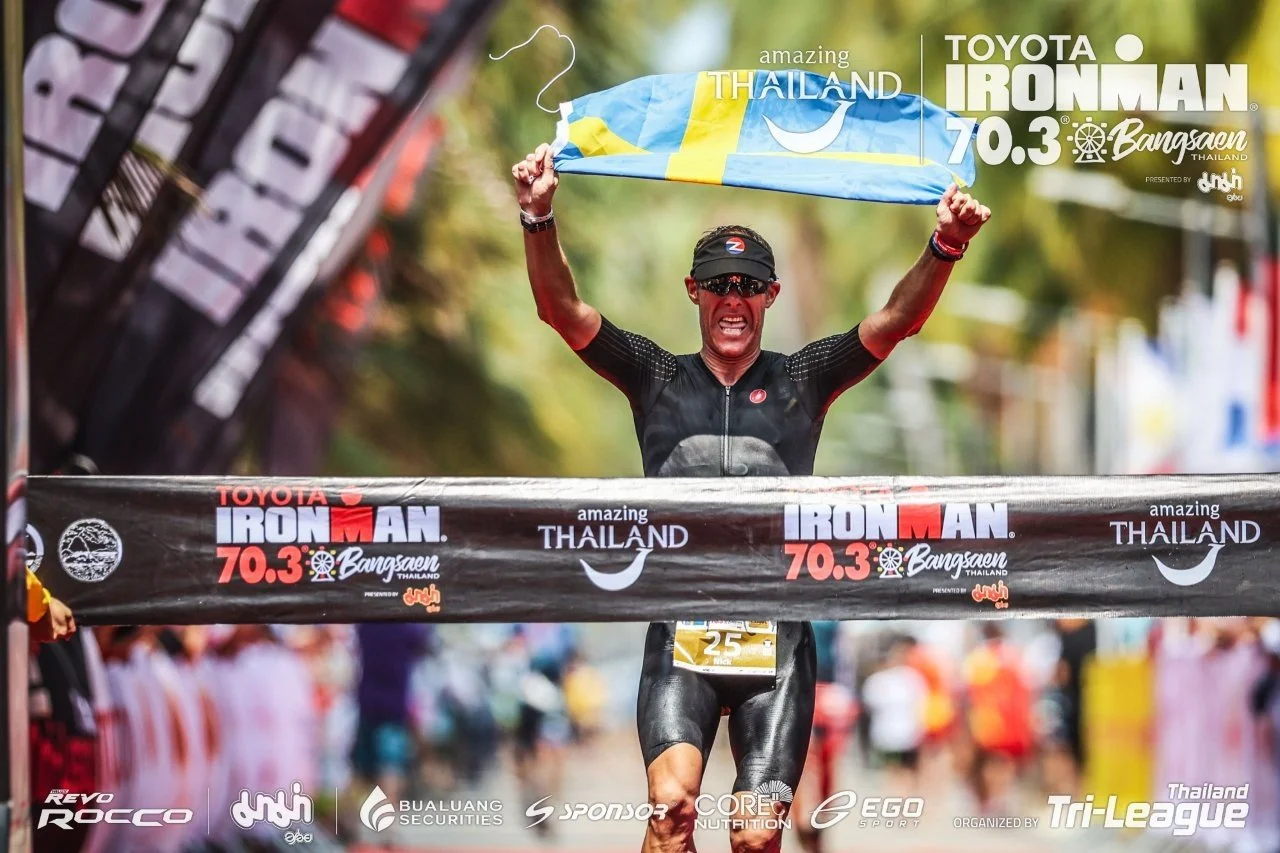
IRONMAN 70.3 Bangsaen Thailand 2024
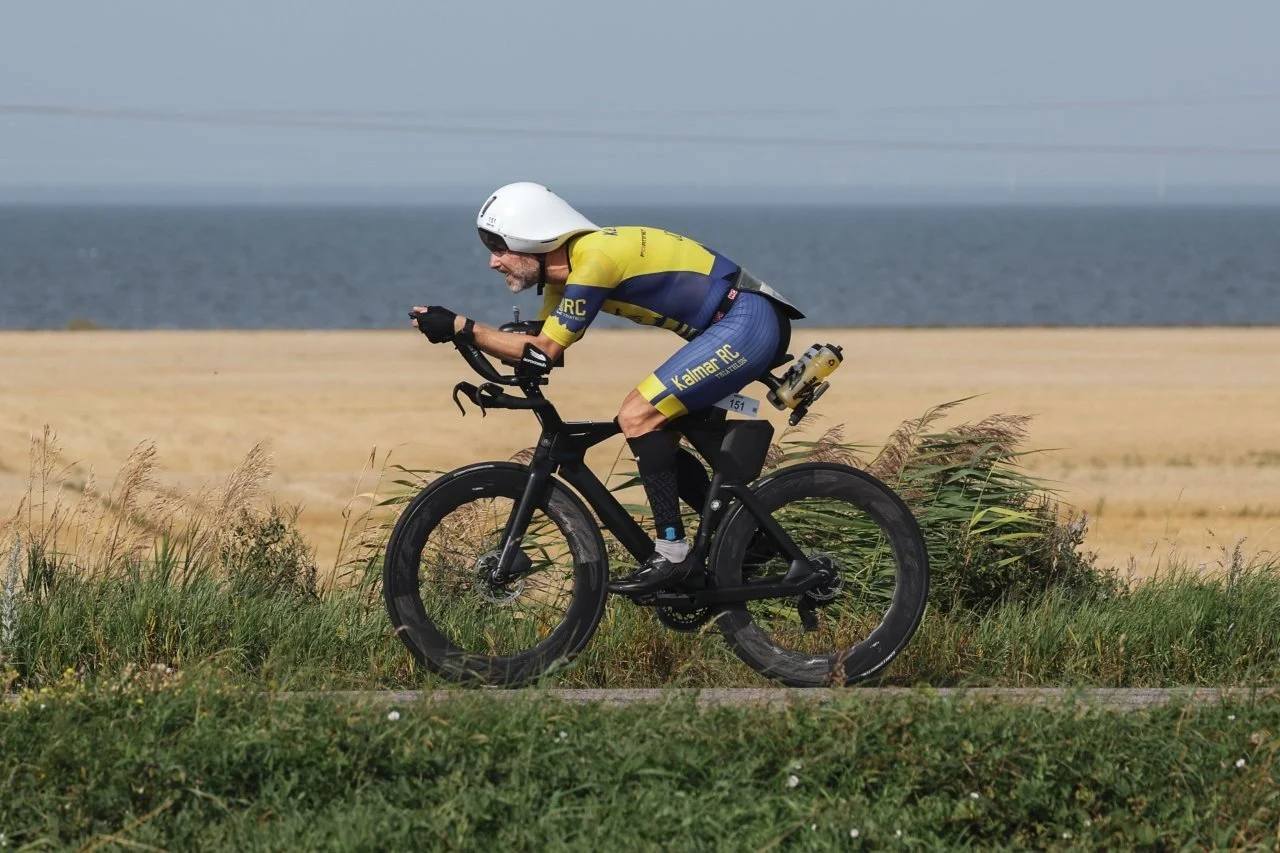
IRONMAN Kalmar 2026
Looking back at previous IRONMAN races, I can see the long road of progress.
The early races taught me humility. The difficult races taught me patience. The better races taught me what becomes possible when discipline, recovery and preparation come together.
Every year has carried a lesson.
Some races gave me confidence. Some exposed gaps. Some reminded me that I still had more work to do.
That is the beauty of endurance sport. It does not flatter you. It teaches you.
If you have not prepared well, the race will show you.
If you have neglected recovery, the race will show you.
If you have pushed too hard too early, the race will show you.
If you have built the right foundation, the race will also show you that.
This is why I believe endurance sport is such a powerful teacher for leaders. It strips away excuses and brings us back to fundamentals.
The Life Beyond the Finish Line
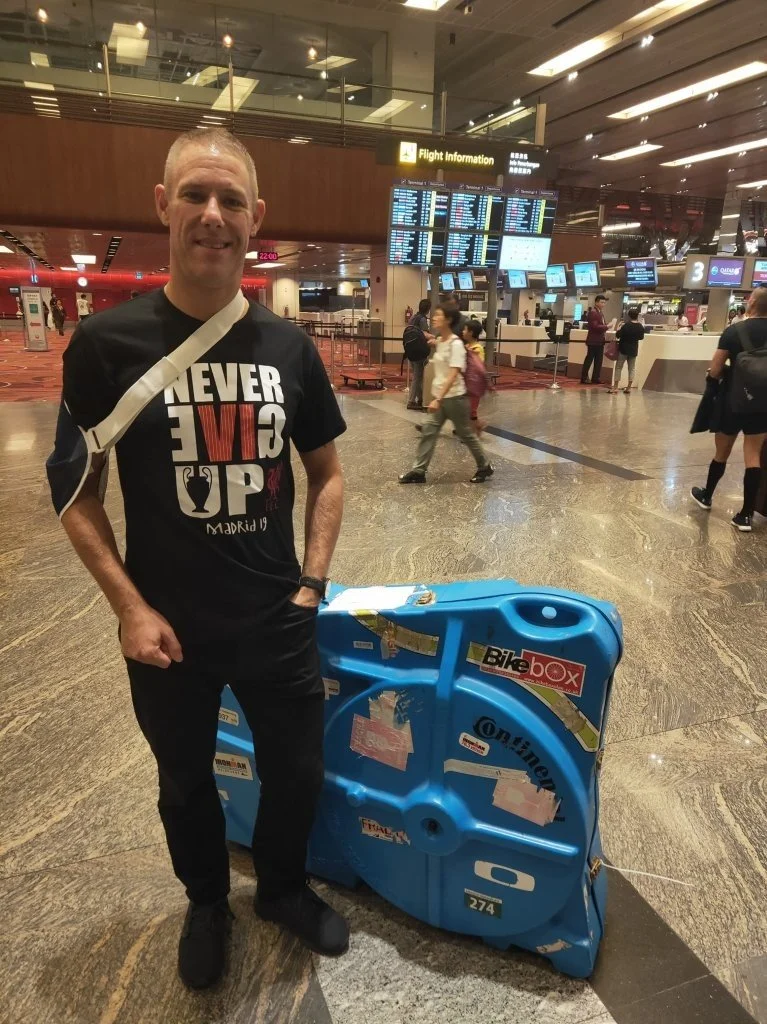
IRONMAN has given me more than race results.
It has given me a healthier identity.
It has taught me patience, humility and discipline. It has helped me reconnect with my body, my purpose and my sense of possibility. It has reminded me that we are never too old to improve, never too far gone to rebuild and never finished becoming who we are meant to be.
When I speak to leaders, executives and high performers around the world, I often meet people who are successful on paper but exhausted in private. They have built careers, companies and reputations, but somewhere along the way, they have lost connection with themselves.
My message is simple.
You can achieve great things without losing yourself.
You can build success without sacrificing your health.
You can perform at a high level while still living with purpose, connection and joy.
But it requires honesty. It requires discipline. It requires support. And it requires a willingness to measure your life beyond work.
For me, IRONMAN is not the destination.
It is part of the journey.
A journey of recovery, resilience, leadership and building a Limitless Life.
About Nick Jonsson
Nick Jonsson is a global keynote speaker, executive coach, counsellor and psychotherapist, bestselling author of Executive Loneliness, founder of Limitless Executive Solutions and host of the Limitless Podcast.
He is also an IRONMAN All World Athlete, having achieved Gold All World Athlete status and competed in full-distance IRONMAN and IRONMAN 70.3 events around the world.
Through his speaking, coaching and leadership work, Nick helps leaders and high performers build success without sacrificing their health, relationships, purpose or wellbeing.
His mission is to empower people to build a Limitless Life through Vulnerability and Holistic Wellbeing.
Book Nick Jonsson as a Speaker
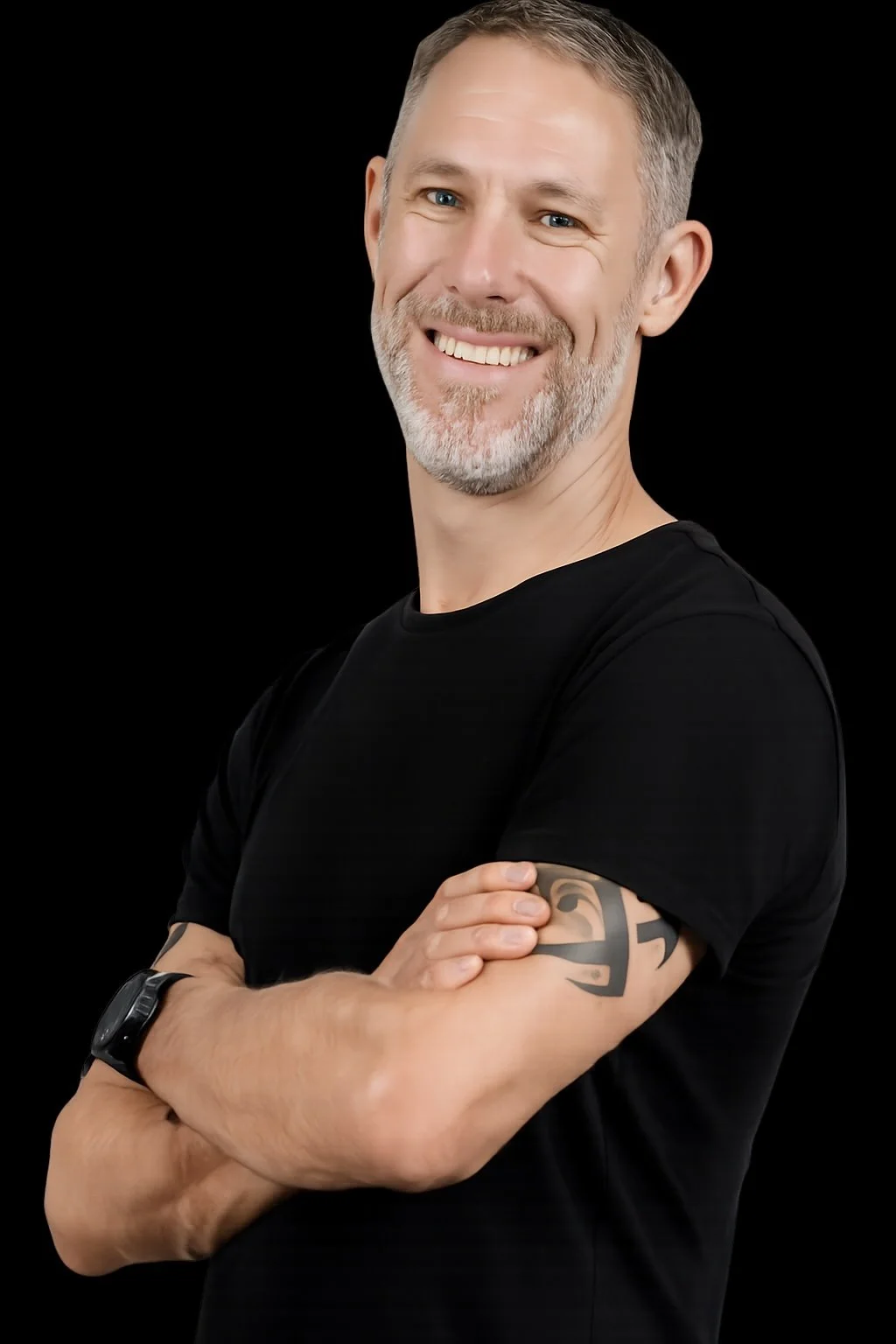
Nick Jonsson is available for keynote speeches, leadership conferences, executive retreats, corporate wellbeing programs, mental health events, coaching sessions and high-performance leadership workshops internationally.
Popular topics include Holistic Leadership, Executive Loneliness, Burnout Prevention, Sustainable High Performance, The Corporate Ironman and Bringing Your A-Game to the Office.

Or follow Nick on LinkedIn for weekly insights on coaching, leadership, wellbeing, and performance.